
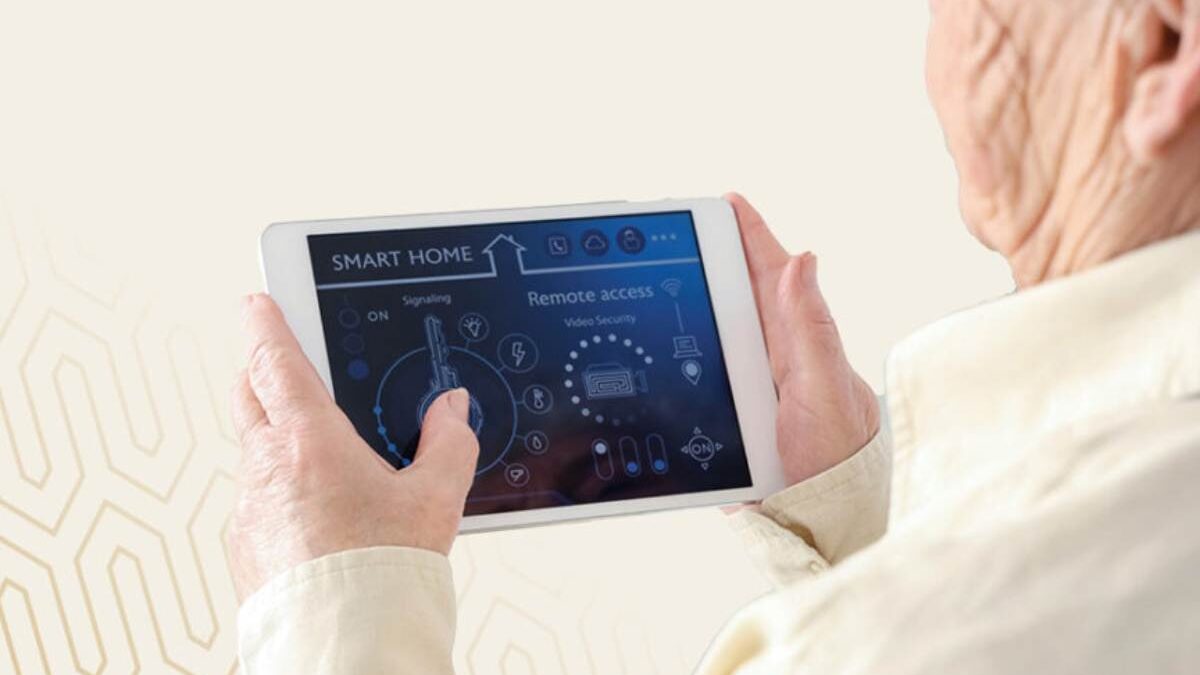

Exploring Innovative Technologies for Senior Home Safety – With the ageing of the population, the need to promote the safety and wellness of the aged increases in importance. Luckily, the technological innovations are taking a central stage in increasing the level of safety of the homes of older people. In this report, we are going to explore some innovative technologies intended to respond to the specific issues of seniors, which would lead to their independence and calm environment.
Table of Contents
Smart Home Security Systems: A Guardian Angel at Home
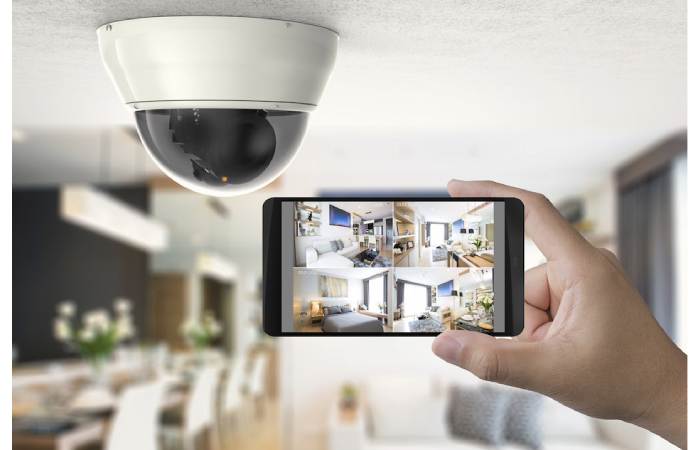
Smart home security systems have gone past burglar alarm systems. They have now provided services that are targeted at elderly people. These systems have motion sensors, door/ window alarms, and video monitoring to identify any unusual activity. These systems will give real-time alerts and hence the response to any emergency or unexpected situation can be rapid.
Why technology matters for senior home safety
Technology for senior safety = everyday devices, sensors, and services designed to reduce risks (falls, missed meds, unmonitored health changes), speed up help when something goes wrong, and give families confidence without taking over daily life.
Aged-friendly tech can be passive (works in the background), wearable (worn like a watch), or active (requires the user to press a button or respond). When chosen carefully, these tools help seniors age in place with dignity and fewer emergencies. Evidence shows that connected smart-home systems and targeted devices can improve independence and caregiver peace of mind.
How much does senior home safety technology cost?
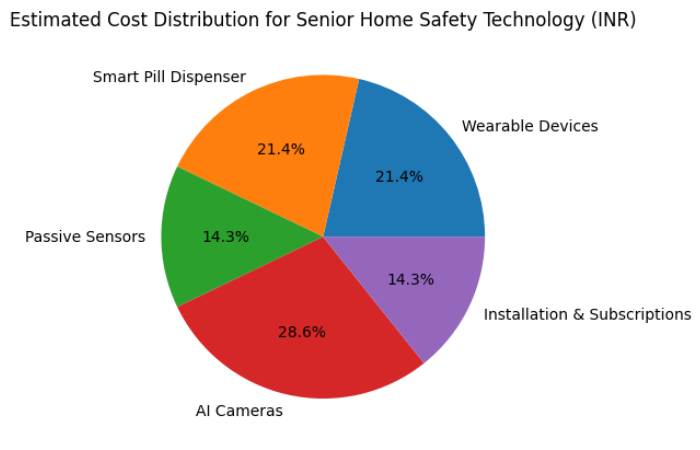
Costs vary widely depending on the system:
| Type of Device | Approximate Cost Range |
| Basic medical alert pendant | ₹3,000 – ₹8,000 |
| Smartwatch with fall detection | ₹10,000 – ₹35,000 |
| Smart pill dispenser | ₹10,000 – ₹20,000 |
| Motion/door sensors | ₹1,000 – ₹5,000 each |
| AI fall detection camera | ₹7,000+ (plus subscription) |
Also consider:
- Installation costs
- Monthly monitoring fees
- Internet/data plans
It’s wise to calculate the total yearly cost before buying.
How these technologies actually help
1) Preventing and detecting falls
Falls are the single biggest safety worry for older adults. Two major approaches reduce harm: prevention (lighting, rails, smart rugs, timed reminders) and detection (wearables, cameras, floor sensors that alert when someone lies motionless). Reviews of modern fall-detection systems show a broad mix of wearables, ambient sensors and AI-vision solutions — accuracy and usability vary, but combined approaches reduce “long-lie” time (time a person is down and unattended).
Practical tip: pair a night-time smart light (motion triggered) with either a wearable pendant or a passive bedroom sensor — the light reduces the chance of a fall, the sensor detects a problem if one happens.
2) Medication safety
In studies, adherence has been found to be improved using smart pill dispensers and so-called smart caps, which monitor openings. These will be able to remind the user and lock the compartments until the appropriate time, and inform the caregivers in the event that the user misses a dose. A recent systematic review of smart medication dispensers points out the increased adherence and the increased number of products available on the market.
Practical tip: where the senior has a few pills that he takes at various times, the effectiveness of a locked dispenser that dispenses the pills automatically is better than alarms.
3) Remote monitoring and telehealth
Tethered blood pressure meters, pulse and scale meters can report to the clinicians or family. Telehealth and remote monitoring are used to detect change early, which saves on visits to clinics, especially in cases of heart failure, hypertension, diabetes, and post-hospital follow-ups. By being linked to an integrated platform, clinicians will have the option to know when values fall outside of the range and take action at an earlier stage.
Practical tip: select the devices that can be automatically uploaded through Wi-Fi or cellular (not only Bluetooth) in case the elderly are non-tech-savvy with smartphones.
4) Passive sensing for daily routine changes
Systems using motion sensors, door sensors, and bed/seat pressure mats don’t watch faces or record video — they track activity patterns. A sudden drop in movement or a missed morning routine can trigger an alert, which is often enough to find someone who needs help. These are lower-privacy-risk options that work quietly in the background.
5) AI-vision solutions (camera-based)
Newer AI cameras can detect falls without wearables and can even distinguish types of events. They’re powerful in single-occupant homes but do raise privacy questions. Some vendors now offer on-device processing (no video leaves the home) and permissioned caregiver alerts to balance safety and dignity. An example of this product trend is the recent consumer camera with built-in fall detection.
In-depth comparison: strengths, weaknesses, and where each fits
Technology vs typical senior needs
| Need / Situation | Best tech choices | Why it fits |
| Lives alone, active but forgetful | Wearable alert + smart pill dispenser | Immediate alert + medication control |
| Cognitive impairment (moderate) | Locked smart dispenser + passive sensors + caregiver alerts | Reduces errors, monitors routines without relying on actions |
| Privacy-sensitive | Passive motion/door sensors + scheduled check-ins | No cameras; patterns reveal concerns without imagery |
| High fall risk, refuses wearables | AI camera (with privacy controls) + environmental fall prevention | Detects fall even if no wearable is worn |
| Chronic disease with frequent monitoring | Telehealth + remote vitals upload | Clinician oversight; early intervention |
Elder Care PA: A Comprehensive Resource for Senior Health
In the realm of elder care, Pennsylvania residents have a valuable resource in elder care PA. This platform offers a wealth of information on senior health, safety tips, and resources for caregivers. Navigating the complexities of senior care becomes more manageable with the insights and support provided by Elder Care PA.
Frequently Asked Questions
- What is the most important technology for senior home safety?
There isn’t one single “best” device for everyone. However, for seniors living alone, fall detection systems (wearable pendants or smartwatches) are often considered the most essential. Falls are one of the leading causes of injury in older adults, so having a system that can automatically alert family or emergency services is extremely valuable.
If the senior has multiple medications, then a smart pill dispenser may be equally important.
- Are wearable fall detection devices accurate?
Modern wearable devices use motion sensors (accelerometers and gyroscopes) to detect sudden impact and lack of movement. While they are quite advanced, no device is 100% perfect.
- Pros: Quick emergency alerts, portable, often include heart rate monitoring.
- Cons: False alarms can occur, especially during sudden sitting or dropping the device.
The key is choosing a reputable brand and testing the alert system regularly.
- What if the senior refuses to wear a device?
This is very common. In such cases, you can consider:
- Passive motion sensors
- Bed or chair pressure sensors
- AI-powered fall detection cameras (with privacy controls)
- Scheduled check-in systems
Passive systems work in the background and don’t require wearing anything, making them ideal for seniors who dislike gadgets.
- Are home safety cameras safe for privacy?
Privacy depends on how the system is set up.
To protect privacy:
- Choose cameras with on-device AI processing (no continuous cloud recording).
- Disable 24/7 video storage unless absolutely necessary.
- Inform and get consent from the senior.
- Limit access to trusted caregivers only.
Many families prefer non-camera sensors if privacy is a major concern.
Conclusion: Embracing the Future of Senior Home Safety
To sum up, new technologies are transforming the sphere of senior home safety. Smart home security systems to wear health monitoring gadgets are some of the innovations that will enable the seniors age in place with dignity. Technology will continue to increase and with it, the opportunities of improving the quality of life of our elderly population will also increase. It is encouraging to see how these innovations are positively influencing our seniors by making them self-reliant and also safe.