

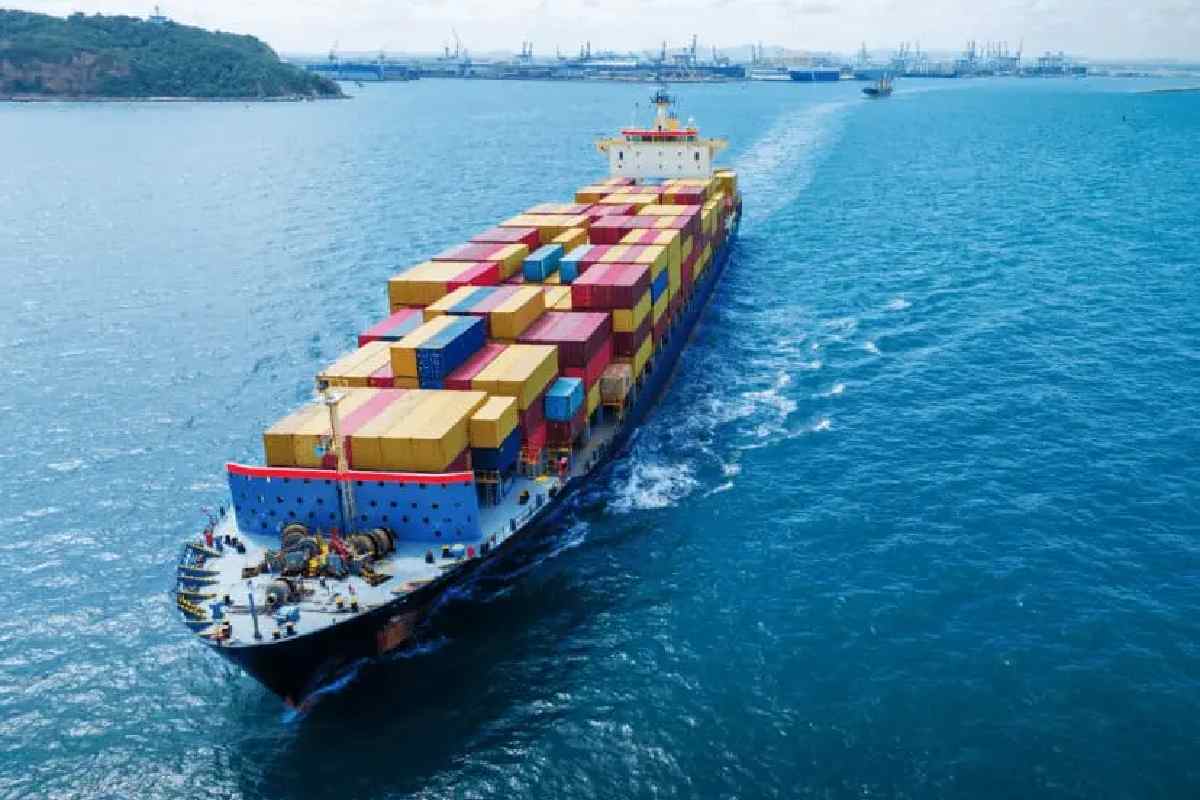
If you import packaging from China, export beauty products to Dubai, or ship bulk inventory across India, Commercial Marine Insurance is not optional—it’s protection for your business survival.
In simple words:
Commercial Marine Insurance is a policy that protects goods, cargo, and vessels from financial loss during transportation by sea, air, rail, or road.
Despite the name “marine,” it covers much more than ships.
Let’s break it down step by step.
Table of Contents
Why People Search for Commercial Marine Insurance
Most business owners search this term when:
- They are starting an import/export business
- A logistics partner demands insurance proof
- They suffered cargo damage or theft
- They want to reduce financial risk
- They are expanding to international markets
The real problem?
Fear of losing money due to shipment damage, piracy, accidents, or natural disasters.
The action they want to take?
Buy the right policy without overpaying.
This guide helps you do exactly that.
What is Commercial Marine Insurance?
Commercial Marine Insurance covers:
- Cargo damage
- Theft
- Loss during transit
- Ship accidents
- Port risks
- Natural disasters
- Loading and unloading damage
It applies to:
- Domestic transport
- International shipping
- Imports & exports
- Warehouse-to-warehouse coverage
Importance of Commercial Marine Insurance (Table)
| Importance | Explanation | Business Impact |
| Financial Protection | Covers losses from ship damage, cargo loss, fire, collision, or theft. | Prevents major financial setbacks for shipping companies. |
| Risk Management | Helps businesses manage operational and transit risks. | Ensures stable and predictable operations. |
| Legal Compliance | Required under international maritime laws and conventions. | Avoids penalties and legal issues. |
| Cargo Security | Protects goods transported across international waters. | Builds trust between exporters and importers. |
| Liability Coverage | Covers third-party damages, pollution, and accidents. | Protects against costly legal claims. |
| Business Continuity | Helps companies recover quickly after accidents or disasters. | Minimizes downtime and revenue loss. |
| Protection Against Natural Disasters | Covers storms, cyclones, and extreme weather damage. | Reduces impact of unexpected events. |
| Protection from Piracy & Theft | Covers losses due to piracy or cargo theft. | Secures high-risk shipping routes. |
| Investor & Stakeholder Confidence | Shows financial responsibility and risk coverage. | Attracts investors and partners. |
| Supports Global Trade | Encourages safe and insured international shipping. | Strengthens global supply chains. |
Who Needs Commercial Marine Insurance?
Ideal For:
- Importers & exporters
- Manufacturers
- E-commerce brands
- Beauty product sellers shipping nationwide
- Pharmaceutical companies
- Logistics companies
- Retail distributors
- Technology hardware traders
For example, if you run a skincare brand shipping glass bottles across India, one truck accident can destroy lakhs worth of stock.
Marine insurance protects that inventory.
Who Should Avoid It?
- Freelancers with no physical goods
- Purely digital businesses
- Service-only businesses
- Local retailers not transporting goods
If you never move inventory, you may not need this policy.
Types of Commercial Marine Insurance in India
| Type | What It Covers | Best For |
| Cargo Insurance | Goods in transit | Importers & exporters |
| Hull Insurance | Ship damage | Ship owners |
| Freight Insurance | Loss of freight revenue | Shipping companies |
| Marine Liability | Third-party damage | Transport operators |
| Open Policy | Continuous shipments | Growing businesses |
Most small businesses prefer Cargo Insurance or Open Policy.
What Does It Cover?
Here’s what a standard policy usually includes:
- Fire and explosion
- Collision or overturning
- Theft and burglary
- Natural disasters (cyclone, flood, storm)
- Piracy (international routes)
- Handling damage
- Warehouse-to-warehouse risks
However, always read exclusions carefully.
What It Does not Cover?
- Poor packaging
- Intentional damage
- War risks (unless added)
- Delay-related losses
- Wear and tear
Many claims get rejected due to poor documentation or packaging mistakes.
Key Benefits of Commercial Marine Insurance
| Benefit | What It Means | Why It Matters for Businesses |
| Financial Protection | Covers loss or damage to goods during transit | Prevents heavy financial losses from accidents, theft, or natural disasters |
| Risk Management | Transfers shipping risks to insurer | Protects business cash flow and stability |
| Business Continuity | Quick compensation after approved claim | Helps businesses recover without disrupting operations |
| Global Trade Support | Required in many international trade contracts | Builds trust with overseas buyers and suppliers |
| Legal & Contract Compliance | Meets bank and trade documentation requirements | Necessary for import/export financing |
| Warehouse-to-Warehouse Coverage | Protects goods from dispatch point to final delivery | Ensures complete transit protection |
| Customizable Coverage | Add-ons like war risk, strike risk, and inland transit | Flexible based on shipment type and route |
| Protection Against Natural Disasters | Covers cyclone, flood, storm damage | Important for Indian coastal and monsoon-prone regions |
| Coverage for Multiple Transport Modes | Includes sea, air, rail, and road | Ideal for multi-modal logistics chains |
| Peace of Mind | Reduces stress over shipment risks | Allows focus on business growth instead of potential losses |
Drawbacks to Consider
- Premium cost
- Complex policy wording
- Claim documentation requirements
- Limited coverage unless upgraded
But compared to potential losses, the cost is usually justified.
How Commercial Marine Insurance Works (Step-by-Step)
- You declare cargo value
- Insurer calculates premium
- Policy is issued
- Shipment begins
- If damage occurs → File claim
- Surveyor inspects
- Claim approved & paid
Simple in theory—but documentation is crucial.
How Premium is Calculated
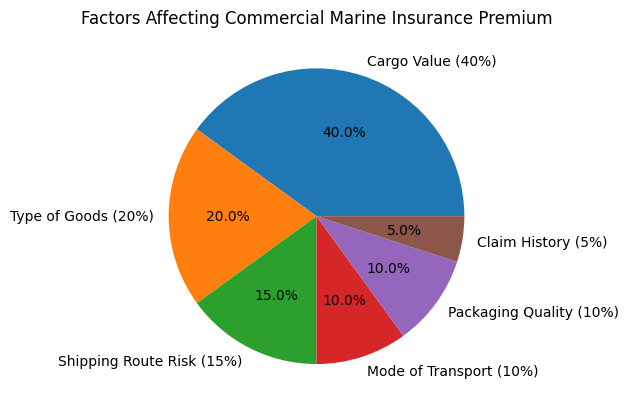
Premium depends on:
- Cargo value
- Type of goods
- Shipping route
- Risk level
- Packaging quality
- Mode of transport
- Claim history
Typical rate: 0.1% to 2% of cargo value
For example:
₹10,00,000 shipment → Premium could be ₹5,000–₹15,000
Real-Life Example (India)
Imagine:
A Mumbai-based beauty brand exports organic face serums to the UK.
During transit, rough weather damages half the shipment.
Without insurance → ₹8 lakh loss.
With insurance → Claim reimbursed after survey.
That’s the difference.
Common Mistakes Businesses Make
- Under-declaring cargo value
- Not reading exclusions
- Ignoring packaging standards
- Not informing insurer about route changes
- Delaying claim filing
- Choosing cheapest policy blindly
Cheapest is rarely safest.
Myths vs Facts
| Myth | Fact |
| Marine insurance is only for ships | It covers air, rail & road |
| It’s too expensive | Premium is small vs risk |
| My courier covers everything | Limited liability only |
| Claims are impossible | Proper documentation works |
| Small businesses don’t need it | SMEs face biggest risks |
Practical Tips Before Buying
- Choose warehouse-to-warehouse coverage
- Add war and strike coverage if exporting
- Maintain proper invoices
- Use strong packaging
- Keep photographic proof of shipments
- Work with a reputed insurer
In India, major insurers offer marine coverage, but compare claim settlement ratios before choosing.
Documents Required for Claims
- Policy copy
- Invoice
- Packing list
- Bill of lading
- Damage report
- Survey report
- Claim form
Incomplete documents = delayed settlement.
Open Policy vs Single Shipment Policy
| Feature | Open Policy | Single Shipment |
| Duration | Annual | One shipment |
| Best For | Frequent traders | Occasional shippers |
| Cost | Economical long term | Pay per shipment |
| Convenience | High | Moderate |
Growing businesses should consider open policies.
Insurance Information Institute – Marine Insurance Basics
How It Impacts Beauty & Lifestyle Brands
Many beauty entrepreneurs don’t think about marine insurance.
But if you import:
- Glass bottles
- Pumps & droppers
- Packaging
- Raw ingredients
- Bulk cosmetic stock
You are exposed to transit risks.
Even influencers launching private-label skincare brands should consider it.
When Should You Buy It?
- Before first shipment
- Before scaling internationally
- When shipment value exceeds ₹1 lakh
- When importing fragile goods
The earlier, the safer.
The maritime industry is fraught with hazards, both foreseeable and unforeseeable. These can range from the following:
- extreme weather events
- navigation errors
- equipment failure
- piracy or unforeseen geopolitical situations
Commercial marine insurance plays a critical role in mitigating these hazards. This is by providing financial support and resources to recover from these incidents. Without it, businesses could face catastrophic losses that could threaten their very existence.
Moreover, commercial marine insurance not only assists in financial recovery post an incident. It also encourages preventative measures.
International Chamber of Commerce – Incoterms® Rules (important for marine shipping terms)
Essential Coverage
In the marine business, commercial marine insurance has a broad range of coverages, which are specific to meet the individual risks that may arise in the marine business. It incorporates hull and machinery insurance, which is coverage for the damages of the vessel itself and its integrated machinery.
Cargo insurance can help in paying for lost or damaged goods when they are in transit. Protection and Indemnity insurance offers coverage of the third party liabilities. This involves other vessels that were damaged, persons who were injured or even killed, so do make sure.
FAQ
What is Commercial Marine Insurance?
Commercial Marine Insurance protects goods, cargo, and vessels from loss or damage during transit by sea, air, rail, or road.
Is marine insurance mandatory in India?
It is not always mandatory, but many trade contracts and banks require it.
How much does marine insurance cost in India?
Typically 0.1% to 2% of cargo value depending on risk and coverage.
Does it cover domestic transport?
Yes. It covers inland transit within India.
Can small businesses buy marine insurance?
Yes. SMEs, startups, and beauty brands can purchase single shipment or open policies.
Final Words
In today’s global trade environment, one shipment delay or damage can cause serious financial stress. Commercial Marine Insurance protects your goods, your profits, and your peace of mind. Whether you run a beauty brand, tech startup, or export business in India, the right commercial marine insurance policy is not an expense—it’s smart risk management.