
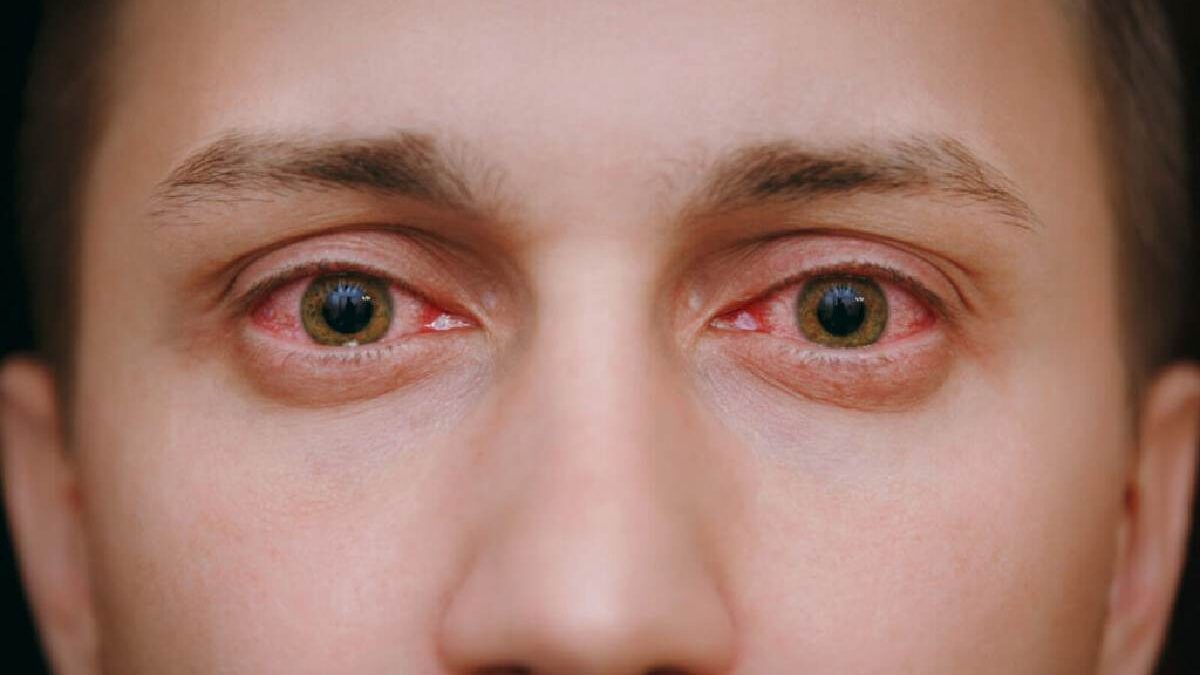

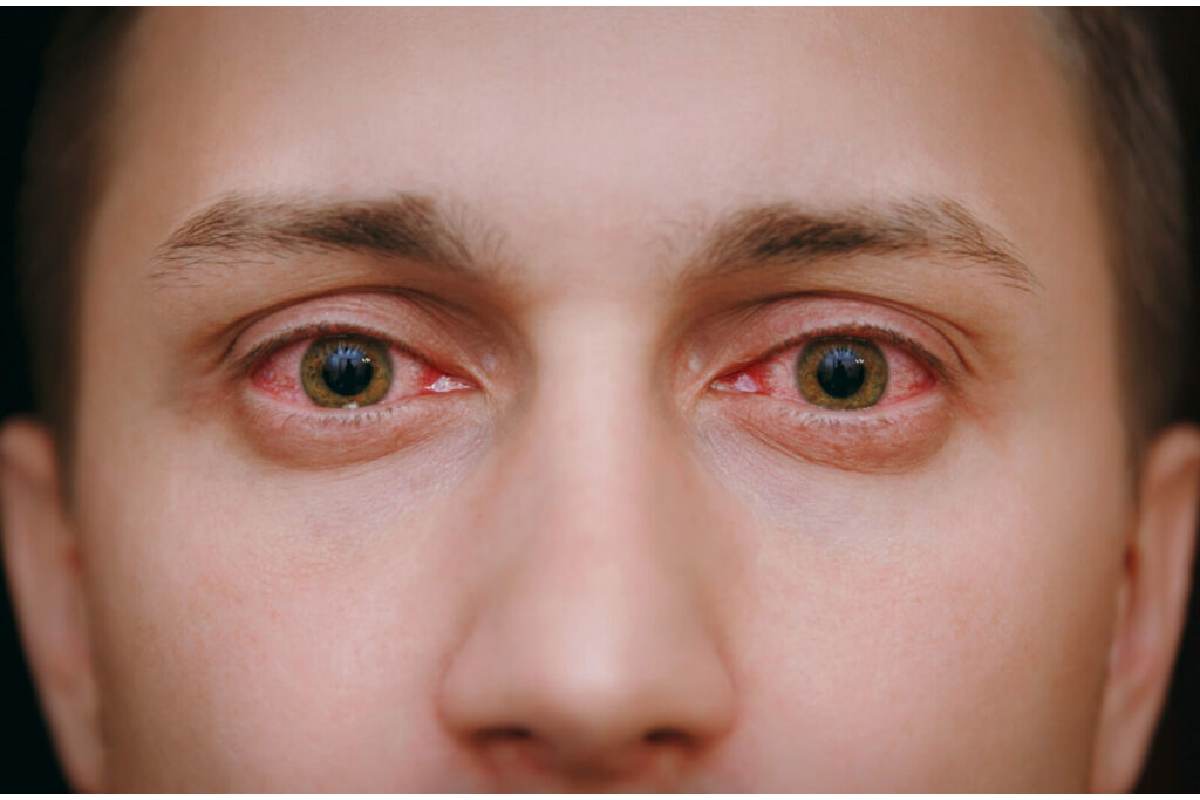
However, What is Commonly Misdiagnosed as Pink Eye, several other situations may look like a pink eye but are separate, such as allergies, dry eye conditions, COVID-19-related pink eye, Iritis, keratitis, a style, or Blepharitis. Getting spare eye care may be necessary depending on the cause of your reddish eyes. Many other medical conditions cause indications similar to those of conjunctivitis (pink eye).
Table of Contents
Pink Eyes – Signs
Depending on whether it’s microbial, viral, or allergic, pink eye can cause the following signs:
- Redness
- Grittiness, or feelings of something stuck in your eye
- Itchiness
- Burning
- Swollen eyelids
- Wateriness or discharge
- Blurry vision
- Sensitivity to light
- Mild pain
However, many other conditions can cause these symptoms, too. Read on to learn more about these conditions and how they differ from pink eye.
What is a misdiagnosis of bacterial conjunctivitis?
Misdiagnosis of bacterial conjunctivitis is nothing but the pink eye due to conjunctiva infection. The commonly misdiagnosed condition as pink eye is a Foreign body, allergies, or infection of eyelids and eyelashes.
Common Conditions Misdiagnosed as Pink Eye
| Condition | What It Is | Key Symptoms | Difference from Pink Eye | Treatment Approach |
| Allergic Conjunctivitis | Eye inflammation caused by allergens such as pollen or dust | Itchy eyes, redness, watery discharge | Usually affects both eyes and occurs with allergy symptoms | Antihistamine eye drops, allergy medication |
| Dry Eye Syndrome | Occurs when eyes do not produce enough tears | Burning sensation, redness, blurry vision | Often worse after long screen time or reading | Artificial tears, lifestyle adjustments |
| Blepharitis | Inflammation of the eyelids | Red eyelids, crusty eyelashes, irritation | Mainly affects eyelids rather than the white of the eye | Eyelid hygiene, warm compress |
| Stye (Hordeolum) | Bacterial infection of an eyelash follicle | Painful red bump on eyelid | Localized bump rather than full-eye redness | Warm compress, sometimes antibiotics |
| Subconjunctival Hemorrhage | Broken blood vessel in the eye | Bright red patch on the white of the eye | No pain or discharge | Usually heals without treatment |
| Keratitis | Inflammation of the cornea | Pain, sensitivity to light, blurred vision | Vision may be affected, more severe pain | Requires urgent medical treatment |
What else could be mistaken for pink eye?
Eye redness, irritation, and discharge are all hallmark symptoms of pink eye. However, some of these symptoms may also be seen in other eye conditions.
If you’re experiencing any eye discomfort or vision issues, it is always best to visit a doctor so they can make a proper way.
“What else could be mistaken for pink eye?” Pink eye is an infection of a thin layer of tissue covering the white portion of the eye and lining the inner eyelid. Also known as conjunctivitis, it’s most common in children and highly contagious. Fortunately, it’s improbable to affect your vision. The most common symptom is redness of the eyes, but not all are red due to pink eye.
Hordeolum (stye)
A stye is most likely to develop along the eyelashes, though it can sometimes grow inside your eyelid. While a stye may sometimes cause eye redness, it’s best known as a red, painful bump that looks like a pimple. Eyelid swelling is also joint.
Blepharitis
Blepharitis is inflammation of the eyelid. What sets Blepharitis apart from the pink eye is swelling of the eyelid and symptoms of dryness. Also, unlike the pink eye, Blepharitis can cause your eyes to produce foamy tears.
Keratitis
Keratitis is irritation of the cornea in the front of your eye. It shares all the same symptoms with pink eye, except keratitis may be more painful.
Iritis or uveitis
Uveitis is an inner eye inflammation caused by certain cancers, autoimmune diseases, and infections. Iritis is a type of uveitis called anterior uveitis.
What distinguishes uveitis from pink eye is that you may experience floaters if you have inflammation in the back of your eye. These are squiggly lines or dark spots that move over your vision. If you have inflammation in the front of your eye, you may be very sensitive to light.
Glaucoma
Glaucoma is a deteriorating eye disease caused by damage to your eye’s optic nerve back side. Early cases often don’t have symptoms, though advanced cases can cause vision issues. Unlike the pink eye, though, glaucoma doesn’t cause redness or discharge.
Allergies
Eye redness is a possible symptom of allergies. What sets allergies apart from the pink eye is that allergies always cause itchiness. Also, while wateriness is possible, eye allergies don’t typically cause discharge that pink eye can.
Dry eye
Dry eye is a mutual condition caused by a lack of tears in your eyes. The symptoms are primarily similar to pink eye. However, unlike the pink eye, dry eye can cause your eyes to sting. Dry eye is typically chronic, while pink eye comes on suddenly.
Episcleritis
Episcleritis is an irritation of the episclera (a transparent layer on top of the white part of your eye), and it may develop in one or both eyes. Redness and pain are common, but vision issues and discharge are rare.
Corneal abrasion or other injury
A corneal scratch is a common type of eye injury involving a scratch to your eye’s cornea. It’s often caused by contact injuries and foreign bodies, such as sand, that may get stuck in your eye.
Mild to severe pain and vision changes are hallmark signs.
Chalazion
A Meibomian cyst is a bump on your eyelid. It can become swollen, red, and tender, sometimes leading to widespread eyelid swelling.
Scleritis
Scleritis is an inflammation of the sclera, the white part of your eye. It most commonly appears in one eye and shares similar symptoms with pink eye, except for thick eye discharge. Pain from scleritis can extend from your eye to your jaw, as well as the rest of your face and head.
When to contact a doctor?
If a person has an eye infection (pink eyes), they should consult a doctor; if
- The symptoms don’t improve after a few days
- If you have an eye infection
- If you’ve very long eye injury
Specific symptoms may be related to a chronic medical condition, such as an autoimmune disease.
How is the Pink Eye condition treated?
In addition to symptom differences, here’s how pink eye and commonly confused conditions are treated:
- If the eyes get pink, take an excellent ice pack and put it on your eyes.
- Suppose you get artificial tears. Keep an antibiotic eye drop (for bacterial conjunctivitis only); it’s a type of allergy to the eyes.
- If you have site problems, keep some antibiotics like warm bandages and surgery to drain the bump.
- Suppose you get Blepharitis, consult the doctor and get the treatment steroid eye drops,
Warm compresses.
It would help if you underwent treatment like oral antibiotics or antibiotic eye drops (infectious keratitis only) for a person with a keratitis condition or artificial tears.
Therefore, if a person is under Iritis and uveitis, he should undergo a treatment of steroid eye drops, oral or injectable steroids, and steroid implants in your eye.
Risk Factors That Lead to Eye Misdiagnosis
| Risk Factor | Description |
| Seasonal Allergies | Can mimic infectious conjunctivitis |
| Contact Lens Use | Increases risk of keratitis and irritation |
| Poor Eye Hygiene | Can cause blepharitis or bacterial infection |
| Screen Overuse | Leads to dry eye symptoms |
Takeaway
Redness, blurriness, and wateriness are all common symptoms of pink eye. However, symptoms associated with pink eye are also caused by other conditions. For this reason, see a doctor to determine the underlying cause and get proper treatment.