

Online Opinions Influence
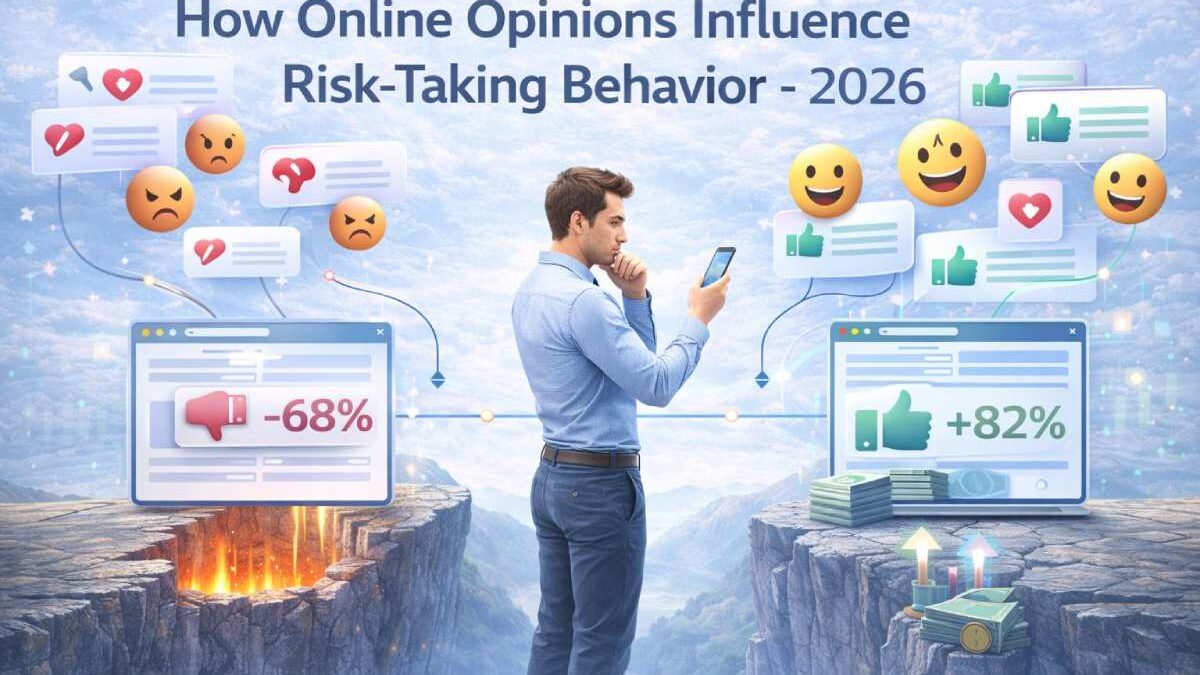
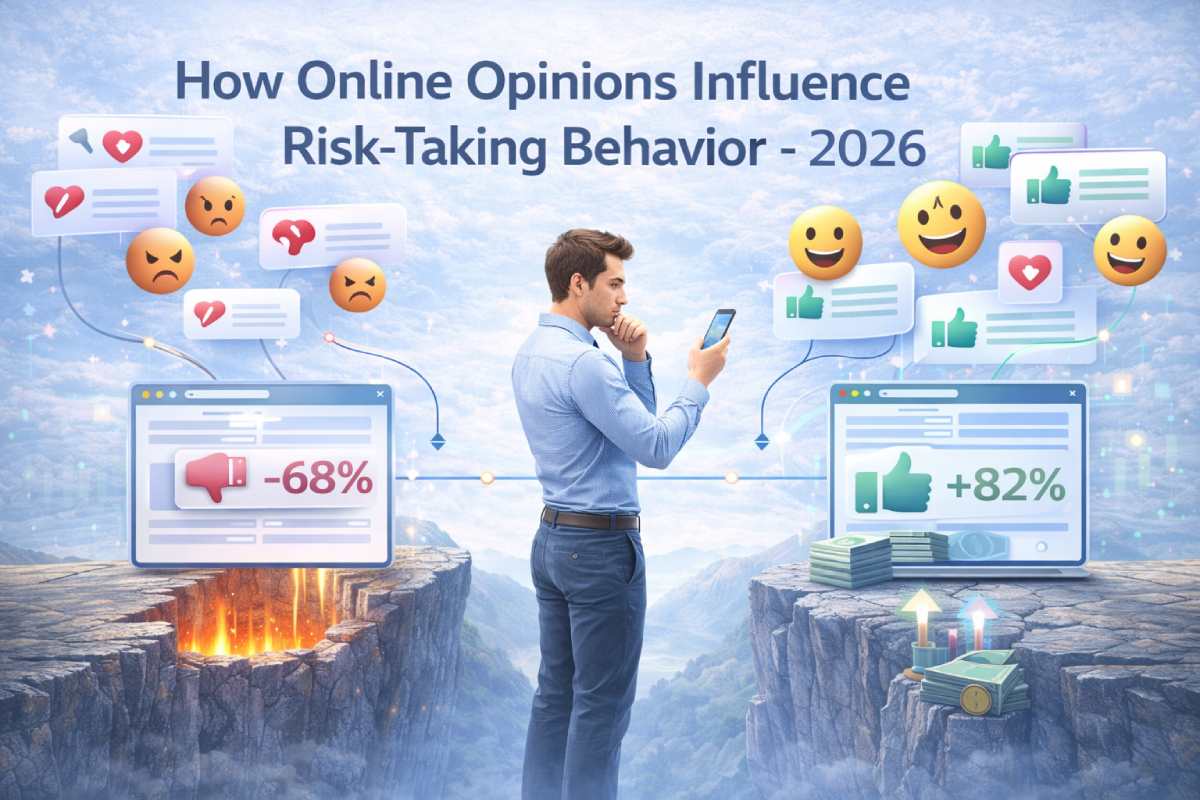
Online opinions don’t just help us pick a restaurant. They also shape how risky a choice feels. When something feels less risky, people tend to do it faster with more confidence.
That shows up in all kinds of decisions people make on their phones. For example, when an app pulls together reviews, comparisons, and community sentiment, it can nudge someone toward action because it looks like “everyone already vetted this.” You can see that effect across many categories, including sports betting and gaming apps like the Betway app, where the surrounding opinions can shape how much risk a person thinks they’re taking, even before they make a choice.
Table of Contents
Online opinions change the “risk picture” in your head
Risk is often about uncertainty, not math
Most people don’t calculate risk like a spreadsheet. They judge it based on cues. And online, those cues are everywhere: ratings, comments, upvotes, quote posts, creator reactions, and “I tried this so you don’t have to” threads.
When a choice is unclear, we look for shortcuts. A long thread full of confident answers can feel like evidence. Even when it’s not.
So the risk can shrink in your mind, without the facts changing at all.
Social proof makes confidence feel earned

“Other people did it” is powerful, even with strangers
Social proof is the simple idea that we copy the crowd when we’re unsure. Online opinions turn that into a visible scoreboard. You see how many people liked a take, how many agreed, and how fast the agreement piled up.
That can push people toward risk in two ways:
- It makes a choice feel normal. “Lots of people do this, so it must be fine.”
- It makes hesitation feel unnecessary. “If it was dangerous, someone would’ve said so.”
But here’s the problem. A crowd can be wrong, and a crowd can be manipulated. Online, you don’t always know who the crowd is.
Reviews and ratings don’t just inform, they nudge
People keep leaning on reviews
In BrightLocal’s 2024 Local Consumer Review Survey, 75% of consumers said they “always” or “regularly” read online reviews during their research process. That’s a big signal that review culture is still a main decision tool in 2024.
The behavioral point is simple: when people rely on reviews this much, reviews stop being “extra info.” They become part of the decision engine.
And reviews don’t only affect whether you choose something. They affect:
- How safe it feels
- How much you double-check
- Whether you take a bigger step than you planned
Even small details matter. If comments sound personal and specific, the choice can feel safer. If they sound copy-pasted, trust drops.
When opinions push people into riskier behavior
Online exposure can normalize risky choices
This is especially clear with younger users (but the mechanism applies widely): repeated exposure makes a behavior seem common and accepted.
A 2025 study in BMC Public Health looked at social media use and risk behaviors among Grade 9 students in The Bahamas. The paper discusses how exposure to online risk behaviors and risk-related content can shape what people think is “normal,” using a social learning lens (people observe and copy behaviors they see modeled). It also notes limits, including that cross-sectional data can’t prove cause and effect.
You don’t need to be a teenager for this to work on you. Adults also pick up “social norms” from feeds:
- If everyone seems confident, you feel behind for being careful.
- If people brag about bold choices, caution can feel lame.
- If a risk goes viral, it can look safer than it is because you’re seeing outcomes without the full context.
How to use online opinions without getting played
A practical filter for Quora-style advice
Online opinions can help you. You just need a simple process so confidence doesn’t outrun reality.
Try this:
- Separate “sounds true” from “is verified.” Look for sources, screenshots, or clear steps you can check.
- Watch for one-story certainty. A single personal experience is not a general rule.
- Look for disagreement. If nobody is pushing back, that can be a red flag, not a green one.
- Check what’s missing. Ask: what would change my mind? What downside is not being discussed?
- Slow down when you feel a confidence spike. That “this is obvious” feeling is often the moment social proof is steering you.
Online opinions shape risk because they shape certainty. And most risky decisions start when someone feels certain enough to stop asking questions.