

 Khizrana Begum
Informational Content Writer
Khizrana Begum is an informational content writer who creates clear, structured and reader-friendly articles across general knowledge, technology, digital topics, lifestyle and practical everyday subjects.
Read Full Bio of Author →
Informational Content Writer
Khizrana Begum
Informational Content Writer
Khizrana Begum is an informational content writer who creates clear, structured and reader-friendly articles across general knowledge, technology, digital topics, lifestyle and practical everyday subjects.
Read Full Bio of Author →
Informational Content Writer
 Sameena Begum
Content Reviewer
Sameena Begum is a content reviewer who reviews selected QuoraBlog articles for clarity, readability, organisation, consistency and responsible presentation.
Read Full Bio of Reviewer →
Content Reviewer
Sameena Begum
Content Reviewer
Sameena Begum is a content reviewer who reviews selected QuoraBlog articles for clarity, readability, organisation, consistency and responsible presentation.
Read Full Bio of Reviewer →
Content Reviewer
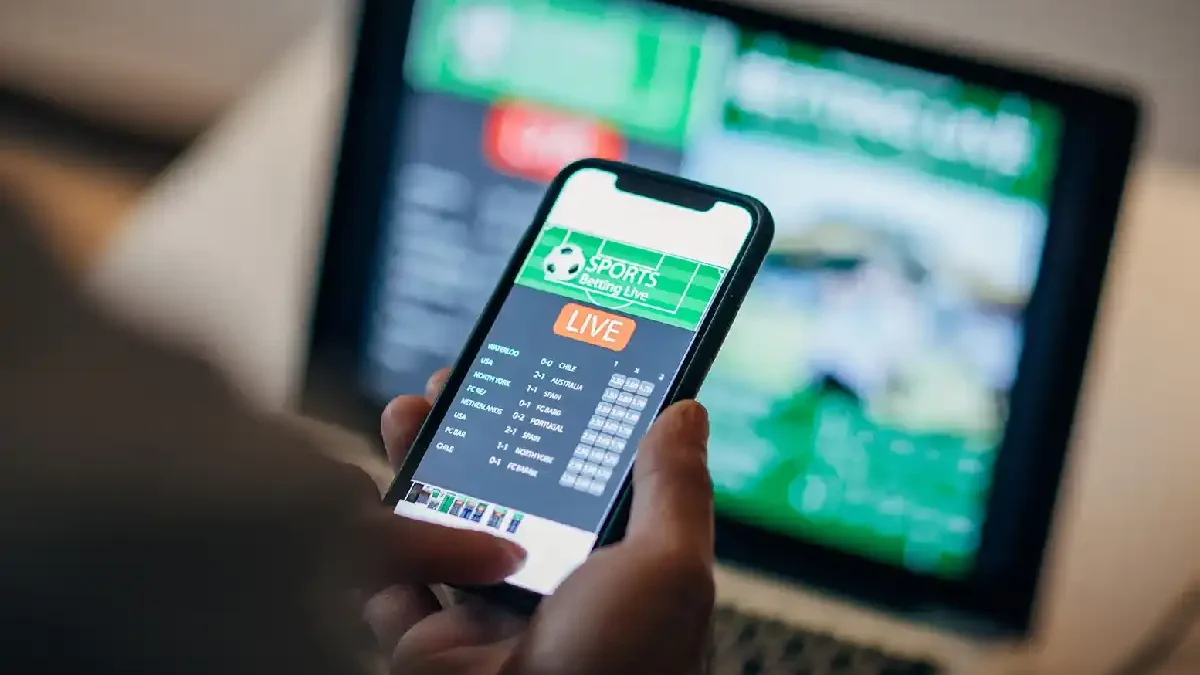
Live sports betting means placing a bet after a sporting event has already started. Bettors can place a wager during the game. The basic idea is simple, but the speed of live markets makes them quite different from normal pre-match betting.
Someone using sport betting on Betway, for example, can open the live section while a match is being played and see the markets that are currently available. The odds do not stay in one place. They change as the event develops, and some markets may disappear for a short time when something important happens.
Table of Contents
Live Betting Starts After the Action Begins
The main difference from pre-match betting
With a normal pre-match bet, the odds are available before the event starts. Once the bet is accepted, those odds are fixed. Live betting happens during the event, and the odds can keep changing during the game.
Imagine a football match where the home side starts as the favourite. After 25 minutes, the score is still 0-0 and the away team has created most of the chances. The live odds may now look very different from the prices shown before kick-off.
That change is a central part of live betting.
Why Live Odds Keep Moving
The match keeps giving the system new information
Sportsbooks update their prices as new information becomes available. According to the Gambling Commission, operators use real-time sports data to revise prices, suspend markets and settle bets.
In football, a goal will normally cause an immediate change. So can a red card, a penalty or the amount of time left in the match. In tennis, a service break can shift the prices quickly. Basketball odds can move after a scoring run or as the clock gets closer to zero.
Betway’s live betting guide also states that its live odds are constantly changing. A price available when someone first opens a market may therefore be different by the time the bet is submitted.
Some Markets Are Temporarily Suspended
A locked market does not always mean it is finished
There are moments when a sportsbook stops accepting bets on a particular outcome.
Consider a football team attacking inside the penalty area. If a major event appears to be happening, some markets can be suspended. Once the situation is clear and the sportsbook has updated its information, betting may reopen with new odds.
This matters because live broadcasts are not always truly instant. Streams can run several seconds behind events at the stadium. Betway’s current betting rules warn that live transmissions may be delayed because of network speed, connectivity and other factors.
There can also be a short delay between pressing the button and having a live bet confirmed. These controls help make sure the accepted odds reflect the current state of the event.
Live Markets Go Beyond Picking the Winner
Smaller parts of the match can become separate bets
Live betting does not only mean choosing which team will win.
Depending on the sport and match, markets can cover things such as the next team to score, the final result, total goals or points, handicaps and other events within the game. The exact markets available can change during play.
Take a football match that is 1-0 after 60 minutes. A bettor may see markets for the eventual winner, whether another goal will be scored or how many goals the match will contain. In basketball, live markets can react almost continuously because the score changes so often.
This creates more decisions during one event. But more available bets do not make the final result easier to predict.
Speed Can Be the Main Risk
More information does not remove uncertainty
Watching the match first can give a bettor information that was not available before it started. You can see the score, the pace of play and what has happened so far.
But the next event is still uncertain.
A team controlling possession can concede from one counterattack. A tennis player who looks comfortable can lose the next service game. And a basketball lead can disappear within a few minutes.
Live betting can also encourage repeated decisions because markets remain available throughout the event. The Responsible Gambling Council notes that live in-play betting is associated with higher gambling risk.
That makes spending limits particularly important. The same organisation recommends setting time and money limits and avoiding attempts to chase previous losses.
What Happens After the Bet Is Placed?
The accepted wager follows its stated rules
Once a live bet has been accepted, it is settled according to the market and the operator’s betting rules. Different markets can have different conditions, especially when extra time, overtime, abandoned games or interrupted events are involved.
So checking the market description matters.
Live sports betting does not change the basic principle of betting. Money is still being risked on an uncertain outcome. What changes is the timing. Instead of making the decision before the sport begins, the bettor can make it while the match is already developing.
That makes live betting faster and more reactive. It also means odds can change within seconds, markets can close without warning and several betting decisions can appear during a single match. Understanding those mechanics is more useful than treating live betting as a way to remove the uncertainty from sport.
Khizrana Begum is an informational content writer who creates clear, structured and reader-friendly articles across general knowledge, technology, digital topics, lifestyle and practical everyday subjects.
Sameena Begum is a content reviewer who reviews selected QuoraBlog articles for clarity, readability, organisation, consistency and responsible presentation.